The Middle East and North Africa (MENA) region has long been recognized as one of the most lucrative markets with the highest purchasing power in the world, particularly for food, beverages, cosmetics, and modest fashion. For Indonesian manufacturers and exporters, penetrating this premium market is a strategic achievement. However, doing so requires a profound understanding of international compliance standards, where Halal Certification sits at the very top of the hierarchy of requirements.
It must be understood that the paradigm of Halal Certification in the global market has undergone significant evolution today. This certification is no longer viewed merely as a form of compliance with Islamic religious tenets, but has transformed into a universal indicator of high-level quality assurance. Consumers in metropolitan cities such as Dubai, Riyadh, and Doha view the Halal label as a representation of stringent hygiene standards, food safety, raw material traceability, and ethical production.
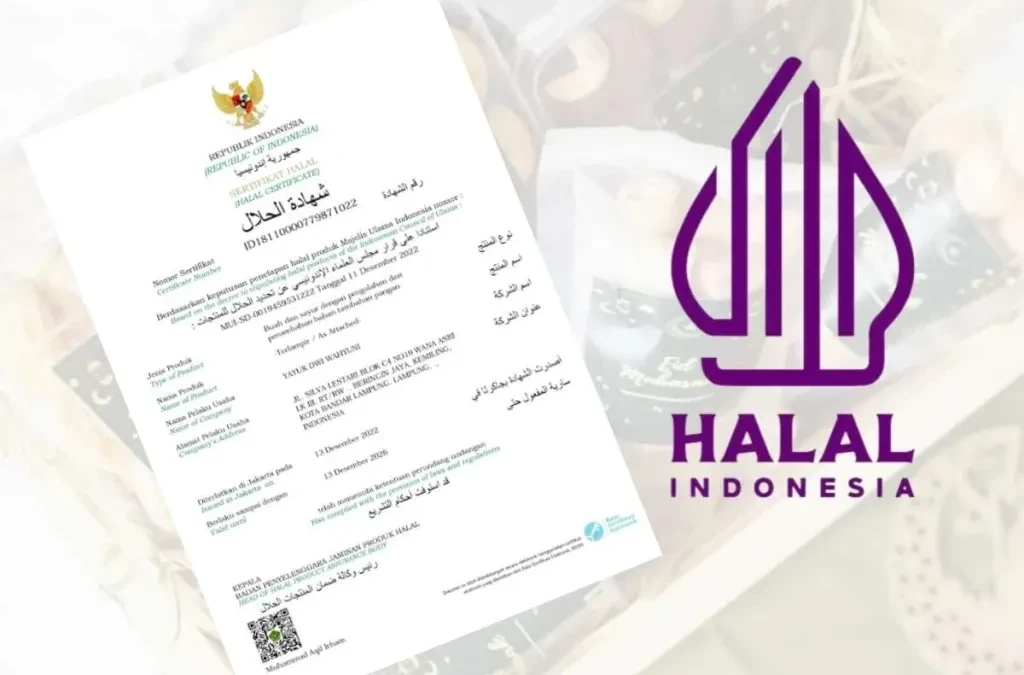
Domestically, the Indonesian Government continues to strive to ease the path for exporters. Through the Halal Product Assurance Organizing Agency (BPJPH), the government is proactively accelerating Mutual Recognition Agreements (MRA) with various Halal authority bodies in Middle Eastern countries. This regulatory diplomacy step is vital because it allows halal certificates issued in Indonesia to be legally recognized in destination countries without having to undergo costly and time-consuming re-testing processes.
For business owners, preparing company operations to pass a Halal audit must be seen as a long-term investment, not merely an administrative burden. The Halal Assurance System requires companies to tidy up their supply chain management, ensure no cross-contamination occurs, and audit raw materials down to the smallest supplier. This process indirectly elevates the factory’s quality management to international standards.
The presence of ecosystems like TradeIndonesia greatly assists local entrepreneurs in navigating the complexities of this bureaucracy. Through educational programs, technical mentoring, and the network of strategic partners possessed by this ecosystem, exporters can prepare their products much more efficiently. With the right certification in hand, the gateway to dominating the Middle East market is thrown wide open.