

Economic Relations Overview
Bilateral Relations Dynamics
Indonesia – Japan
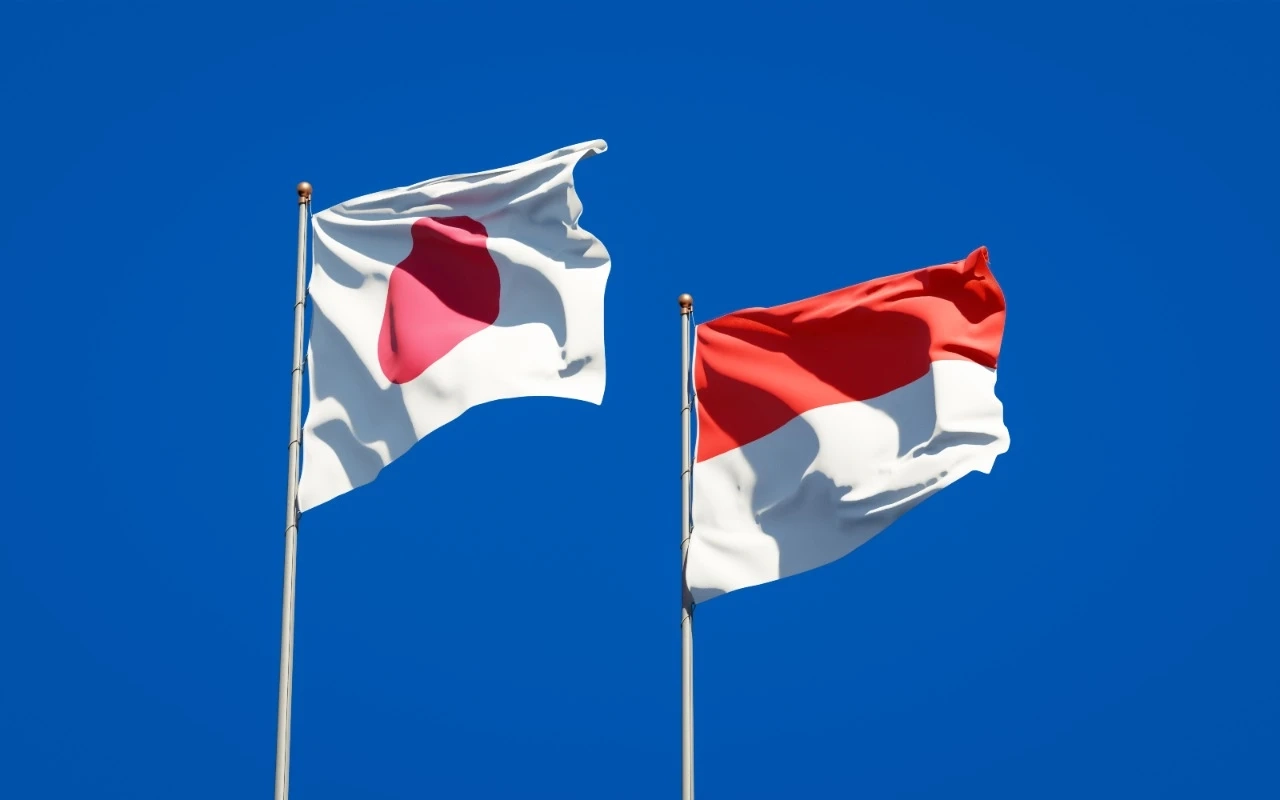
Japan has long been one of the most important trading partners and investors for Indonesia. The economic relationship between the two nations is founded on strong complementarity: Indonesia provides vital energy sources and raw materials, while Japan offers high technology and essential capital goods for modernization.
Indonesia's exports to Japan rely heavily on energy commodities such as coal and liquefied natural gas (LNG), which play a central role in ensuring Japan's energy security. Furthermore, mineral products like nickel continue to show an upward trend along with the rise of green automotive and technology industries. Conversely, Japan is a primary supplier to Indonesia for automotive parts, industrial machinery, and high-quality steel products, which serve as the backbone of the domestic manufacturing and infrastructure sectors.
Cooperation frameworks like the Indonesia-Japan Economic Partnership Agreement (IJEPA) continue to be the foundation that facilitates smooth flows of goods and investments. Facing global economic dynamics and energy transition, this strategic partnership must evolve from mere commodity trading to more integrated industrial collaboration.
"This strategic partnership must evolve from mere commodity trading into more integrated and sustainable industrial collaboration amidst the global energy transition."
Indonesia Exports → Japan
Top Export Commodities
Three major commodities dominating Indonesia's export flow to the Japanese market, heavily focused on the energy security of Japan's manufacturing industries.
Coal
Exports amounting to US$ 5.12 Billion. Remains the main pillar of Japan's conventional energy security source.
Liquefied Natural Gas (LNG)
Valued at US$ 4.25 Billion. An essential clean energy commodity for Japan's public utilities and automotive industry.
Nickel & Derivatives
Essential materials crucial for the transition of Japan's green automotive and battery manufacturing ecosystems.
Export Data Summary — HS Code & Value
| Commodity | HS Code | Significance / Value | Ref. |
|---|---|---|---|
| Coal | 2701 | US$ 5.12 Billion | [9] |
| Natural Gas (LNG) | 2711 | US$ 4.25 Billion | [9] |
| Nickel | 75 | Important energy transition material | [9] |
Japan Imports → Indonesia
Top Imported Commodities from Japan
Japan continues to maintain its position as a reliable supplier of high-tech capital goods and automotive machinery for Indonesia.
Vehicle Parts
Fully supporting the ecosystem of giant Japanese brand automotive assembly plants in Indonesia.
Machinery & Mechanical Apps
High-precision equipment to drive national manufacturing modernization and automation.
Iron and Steel
Essential materials to support heavy construction sectors and precision spare parts needs.
Import Data Summary
| Commodity | HS Code | Significance |
|---|---|---|
| Vehicle Parts | 8708 | Vital components for vehicle assembly |
| Machinery & Mechanical Apps | 84 | Factory equipment and automation |
| Specialized Iron & Steel | 72 | Infrastructure support materials |
Strategic Highlight
Energy: The Main Pillar of
Exports to the Japanese Market
Coal (HS 2701) and Liquefied Natural Gas/LNG (HS 2711) form a very solid fundamental pillar in the total export balance. Indonesia plays a crucial role in guaranteeing energy stability for Japan's industrial sector.
Export value of Coal to Japan (2024)
Export value of Liquefied Natural Gas / LNG (2024)
Potential transition to nickel for EV batteries
Moving Forward
Prospects & Strategy for
Bilateral Partnership
In facing global economic dynamics and the rapid pace of energy transition, the strategic partnership between Indonesia and Japan must immediately evolve from mere buying and selling of commodities into a more advanced and fully integrated industrial collaboration.
Potential increased investments in electric automotive manufacturing, smart infrastructure, and human resource capacity building are key to optimizing economic agreements and ensuring sustainable partnerships in the post-carbon era.
Manufacturing Transformation
Encouraging the absorption of automotive and robotics industrial innovations from Japan into local manufacturing plants.
Green Energy Partnership
Attracting Japanese investment for eco-friendly power plant projects and low-carbon technologies.
HR & Vocations
Utilizing technical apprenticeship programs to Japan to significantly increase the capacity of Indonesian human resources.
IJEPA Facilitation
Deepening market penetration through renegotiation and optimization of IJEPA free trade tariff commitments.
Explore Further
Strategic Partners in East Asia


References & Data Sources
15 verified sources — click to expand
References & Data Sources
15 verified sources — click to expand
Bibliography & Sources (APA Format)
- [1]World's Top Exports. (n.d.). Indonesia's Top Trading Partners 2025. worldstopexports.com
- [2]BPS-Statistics Indonesia. (2024). Nilai Ekspor Menurut Negara/Wilayah/Entitas tertentu Tujuan Utama (Nilai FOB: juta US$), 2000–2024. bps.go.id
- [3]BPS-Statistics Indonesia. (2024). Balance of Trade of Selected Country/Region/Certain Entity (Million US$), 2024. bps.go.id
- [4]Kementerian Investasi/BKPM. (2024). Realisasi Investasi 2024. bkpm.go.id
- [5]Jakarta Globe. (2024). 2024 Roundup on Indonesia's Foreign Trade Deals. jakartaglobe.id
- [6]ASEAN Briefing. (n.d.). Indonesia's International Free Trade Agreements. aseanbriefing.com
- [9]tradeint.com. (2025). Indonesia Export Data 2025: Top Partners, Products Analysis. tradeint.com
- [11]Coordinating Ministry for Economic Affairs RI. (2025). Ekonomi Indonesia Terkini — RED Desember 2025. ekon.go.id
- [12]BPS-Statistics Indonesia. (2025). Foreign Trade Statistics Monthly Export, January 2025. bps.go.id
- [13]BPS-Statistics Indonesia. (2025). Exports and Imports of Indonesia, January 2025. web-api.bps.go.id (PDF)